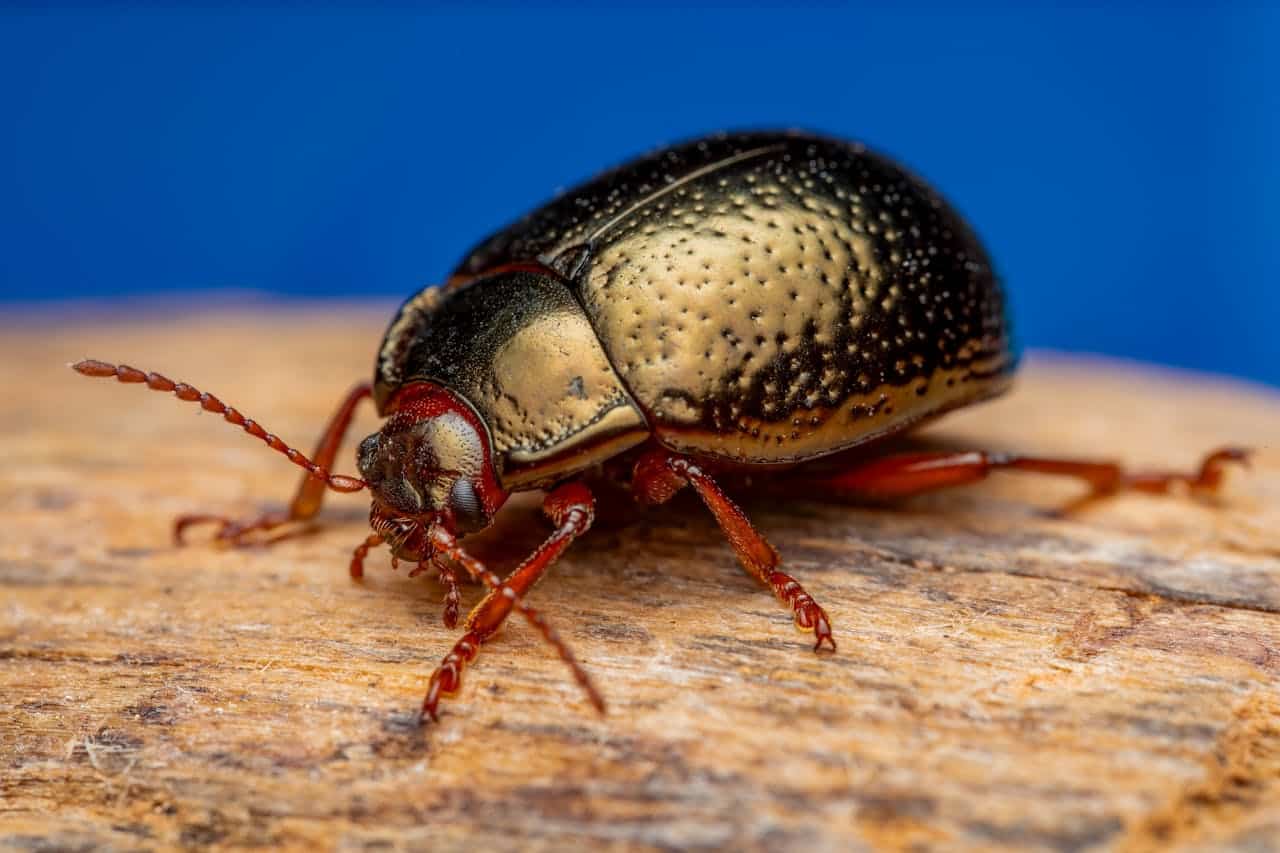
Chitin and shell-derived biomaterials offer nature-inspired strength for modern construction and products. Chitin—the second most abundant natural polysaccharide after cellulose—forms the exoskeletons of crustaceans, insects, and squid beaks, often combined with proteins and minerals into tough composites akin to reinforced concrete.
Scientists extract chitin from seafood waste (shells) and engineer it into films, foams, composites, or nanofibers. When paired with proteins or minerals, it yields materials with exceptional tensile strength, flexibility, and biodegradability. Advanced processing creates scaffolds, coatings, or structural elements rivaling synthetics but with far lower environmental cost.
Benefits include renewability (abundant waste feedstock), biocompatibility, antimicrobial properties, and full biodegradability. In building, chitin composites could form lightweight panels, insulation, or even self-healing coatings. Research explores high-performance structures for aerospace, medical implants, and eco-architecture.
Real-world progress includes chitin-protein films with enhanced water resistance and mechanical properties, plus scaffolds for tissue engineering that double as sustainable building prototypes.
Challenges: Consistent sourcing/processing at scale and optimizing for long-term durability in wet environments (addressed via crosslinking). Yet costs are dropping with biotech advances.
The potential is transformative: diverting millions of tons of shell waste annually while replacing petroleum plastics and energy-intensive materials. Future applications may include 3D-printed chitin structures or hybrid bio-concretes.
Chitin-based structures exemplify circular, biomimetic innovation—turning ocean byproducts into high-tech solutions. For sustainable builders and product designers, they provide strong, green alternatives that close the loop on waste.