
Casa Prispa
Casa Prispa is a pioneering solar-powered house designed and built by Romanian students for the Solar Decathlon Europe 2012 competition […]
Casa Prispa is a pioneering solar-powered house designed and built by Romanian students for the Solar Decathlon Europe 2012 competition […]

Passive House CHE is a sustainable two-story family home in Suceava, Romania, designed by Tecto Arhitectura and completed in 2015.

ERA-MIN 2 (grant ID 730238) was a Horizon 2020 ERA-NET Cofund project running from December 2016 to November 2022, coordinated

URBAN GreenUP (grant ID 730426) was a Horizon 2020 EU-funded project from 2017 to 2022, coordinated by VTT Technical Research

Grant agreement ID: 820892 EC signature date25 October 2018Start date1 November 2018End date31 December 2021 WoodCircus was a Horizon 2020

C-Voucher was a Horizon 2020-funded EU initiative (grant ID 777773) that ran from around 2018 to 2021, aimed at accelerating

CICERONE was an EU-funded Horizon 2020 project (grant ID 820707) focused on advancing circular economy initiatives through collaborative programming. It
CIrCular Economy platfoRm for eurOpeaN priorities strategic agEnda (CICERONE) Read Post »

Grant agreement ID: 776745 DOI 10.3030/776745 Project closed EC signature date30 October 2017 Start date1 December 2017 End date31 December

Grant agreement ID: 821479 DOI 10.3030/821479 Project closed EC signature date3 May 2019 Start date1 June 2019 End date30 November

Grant agreement ID: 821000 DOI 10.3030/821000 Project closed EC signature date3 May 2019 Start date1 June 2019 End date30 November

Grant agreement ID: 690047 DOI 10.3030/690047 Project closed EC signature date3 May 2016 Start date1 June 2016 End date31 May

Grant agreement ID: 776758 DOI 10.3030/776758 Project closed EC signature date31 October 2017 Start date1 December 2017 End date31 August

Grant agreement ID: 821033 DOI 10.3030/821033 Project closed EC signature date3 May 2019 Start date1 October 2019 End date30 September
Grant agreement ID: 821366 DOI 10.3030/821366 Project closed EC signature date6 May 2019 Start date1 June 2019 End date31 August

Grant agreement ID: 821242 DOI 10.3030/821242 Project closed EC signature date3 May 2019 Start date1 September 2019 End date29 February

Grant agreement ID: 730316 DOI 10.3030/730316 Project closed EC signature date7 September 2016 Start date1 October 2016 End date30 September

CEWASTE project (2018–2021) Grant agreement ID: 820859 DOI 10.3030/820859 Project closed EC signature date3 October 2018 Start date1 November 2018 End

Full Title: “Architect students of UAUIM: reducing the risk of abandonment and improving results in the 1st year of study”
Project: STARRRHI+ Read Post »

Acronym: VIP Code: CNFIS-FDI-2020-0622 | Funding: CNFIS-FDI (Institutional Development Fund) Strategic Domain: D1 – Equity & Access in Higher Education
Project: “Viitorul Împreună îl Proiectăm” (VIP) – “Designing the Future Together” Read Post »

Code: CNFIS-FDI-2021-0508 | Funding: CNFIS-FDI (Institutional Development Fund) Strategic Domain: Development of Institutional Capacities for Research Event Period: 4–8 October
Project: INNOMINCU 2021 – “Sustainability and Research Days in UAUIM” Read Post »

Code: CNFIS-FDI-2021-0510 | Funding: CNFIS-FDI (Institutional Development Fund) Strategic Domain: D1 – Equity & Access in Higher Education Implementation Period:
Project: ACCES VIP – Access: Together We Design the Future Read Post »

Code: CNFIS-FDI-2021-0520 | Funding: CNFIS-FDI (Institutional Development Fund) Strategic Domain: D4 – Supporting Student Entrepreneurial Societies (SAS) Implementation Period: 2021
Project: HUB UAUIM BUSINESS 2021 Read Post »

Code: CNFIS-FDI-2022-0567 | Funding: CNFIS-FDI (Institutional Development Fund) Institution: “Ion Mincu” University of Architecture and Urbanism (UAUIM) Implementation Period: 1
Project: Designing the Future Together 2022 (VIP 2022) Read Post »

. Contract No: 14020/16.09.2022 | Project Code: 169368083 Funding: National Recovery and Resilience Plan (NRRP/PNRR), Component C15 – Education Budget:

1. Overview Project Title: OPTIMINCU 2021 – Optimization of UAUIM management and the educational process through the implementation of digital

Based on the detailed documentation provided, here is the comprehensive English presentation for the CULTADISER 2022 project. 1. Overview Project

Overview HUB UAUIM Business 2022 (Acronym: HUB) is the second edition of the entrepreneurship program initiated by the “Ion Mincu”
HUB UAUIM Business 2022 Read Post »

Main Objectives The CULTADISER 2023 project (CNFIS-FDI-2023-F-0462) aimed to strengthen UAUIM’s institutional capacity for research in architecture and urbanism by

HUB UAUIM-BUSINESS 2023 (Acronym: HUB 2023) is the third consecutive edition of the UAUIM entrepreneurship program. It is designed for
HUB UAUIM-BUSINESS 2023: Project Summary Read Post »

CULTADISER 2024 focuses on “Strengthening UAUIM’s institutional capacity for research in architecture and urban planning by creating a culture of
CULTADISER 2024 – Project Summary Read Post »

This is a non-refundable project co-financed by the European Union through the European Social Fund Plus (ESF+) under the Education
Your Chance for Success! – Project Summary Read Post »

The BioCannDo Project focused on boosting public discourse and awareness about the bioeconomy, particularly bio-based products made from biomass.besustainablemagazine+1 Project
BioCannDo Project: Discourse and awareness regarding the bioeconomy Read Post »

The WeSenseIT project developed a citizen observatory framework for water resource management. It empowered communities to actively participate in data
WESENSEIT Project: Citizen Observatory of Water Read Post »

OMNISCIENTIS was an EU-funded research project focused on developing an innovative system for monitoring and managing unpleasant odors from industrial
OMNISCIENTIS Project: Monitoring unpleasant odors Read Post »

The CITCLOPS project was a European Commission-funded initiative focused on creating a citizens’ observatory for optical monitoring of coasts and
CITCLOPS Project: Optical monitoring of coasts and oceans Read Post »

The CITI-SENSE project developed citizen observatories to empower people in monitoring environmental factors and influencing urban policy. It focused on
CITI-SENSE Project: Citizen observatories for quality of life Read Post »

FASUDIR stands for Friendly and Affordable Sustainable Urban Districts Retrofitting, an EU FP7-funded research project from around 2013-2016.cordis.europa+1 Project Goals
FASUDIR Project: Friendly and affordable urban retrofitting Read Post »

The ECODISTR-ICT project developed an integrated decision support tool for retrofitting and renewing existing urban districts toward sustainability.bed.ectp+1It connects stakeholders
ECODISTR-ICT Project Decision support tool for sustainable districts Read Post »

The STREAMER project was an EU FP7-funded research initiative focused on energy-efficient buildings (EeB) in mixed-use healthcare districts. It developed
STREAMER Project: Semantic design for mixed healthcare districts Read Post »

HOLISTEEC was an EU-funded FP7 research project focused on advancing energy-efficient building design. It developed a cloud-based, BIM-integrated platform for
HOLISTEEC Project: Integrated life-cycle support for design Read Post »

The eeEmbedded project developed an innovative platform and methodology for energy-efficient building design. It focused on holistic, collaborative tools integrating
eEEMBEDDED Project: Holistic design laboratory for buildings Read Post »

The TRIBUTE project focused on reducing discrepancies between predicted and actual energy use in buildings. It improved simulation tools and
TRIBUTE Project: Eliminating gaps between estimated and actual consumption Read Post »

The PERFORMER project is an EU-funded initiative under FP7 focused on bridging the gap between predicted and actual energy performance
PERFORMER Project: Exhaustive monitoring of energy performance Read Post »

The ENERGY IN TIME project developed a simulation-based control system to optimize energy use in existing non-residential buildings, targeting up
ENERGY IN TIME Project: Simulation-based control for building operation Read Post »

The SESBE project focused on developing innovative façade elements for sustainable buildings. It aimed to enhance energy efficiency and safety
SESBE Project: Smart elements for sustainable building envelopes Read Post »

The MF-RETROFIT project developed innovative, lightweight facade panels for retrofitting existing buildings to boost energy efficiency. Funded under the EU’s
MF-RETROFIT Project: Multifunctional facades of reduced thickness Read Post »

The ECOSHOPPING project focused on developing energy-efficient retrofitting strategies for commercial buildings, particularly shopping centers. It aimed to drastically cut
ECOSHOPPING Project: Efficient retrofitting for commercial spaces Read Post »

The CommONEnergy project aimed to transform shopping malls from high-energy consumerist hubs into efficient, sustainable buildings. It focused on deep
COMMONENERGY Project: From consumerism to energy conservation in shopping malls Read Post »
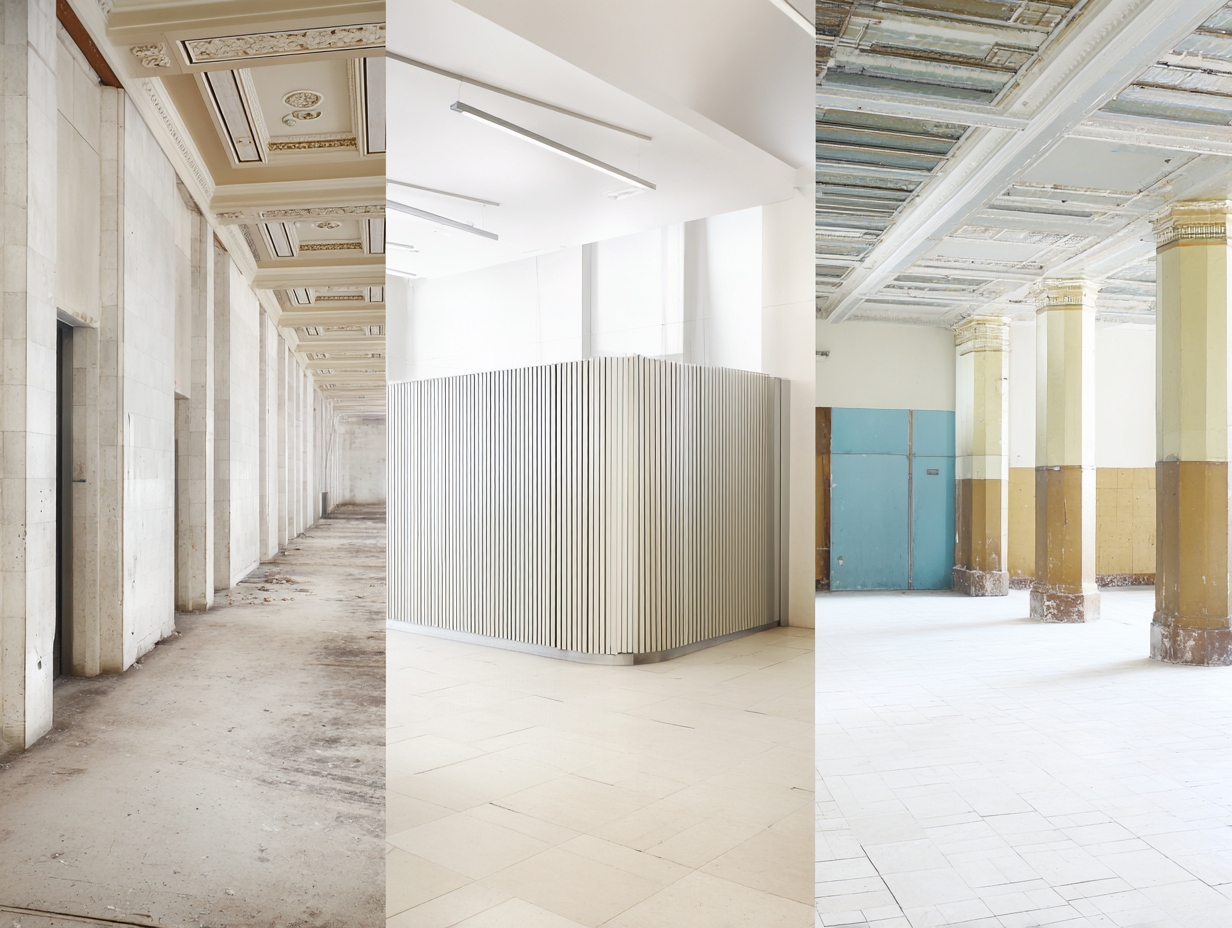
The RESSEEPE project focused on developing and demonstrating retrofitting solutions to boost energy efficiency in public buildings. It aimed for
RESSEEPE Project: Retrofitting solutions for public edifices Read Post »

The BRICKER project developed scalable strategies for deep energy-efficient renovations of public non-residential buildings, targeting at least 50% energy reduction
BRICKER Project: Total renovation strategies for public building stock Read Post »

A2PBEER stands for Affordable and Adaptable Public Buildings through Energy Efficient Retrofitting, an EU FP7-funded research project focused on cost-effective
A2PBEER Project: Affordable renovation for public buildings Read Post »

The DrivHAUS Building, also known as the Administration Building with Rooftop Greenhouse, is a notable architectural project in Oberhausen, Germany,
DrivHAUS Building: Offices in an urban greenhouse Read Post »

Nature House, or Naturhus, refers to a Swedish architectural concept where a living space is encased within a large greenhouse
Nature House (Naturhus): Living encased in a greenhouse Read Post »

Vox Vertical Village is an innovative residential complex in Timișoara, Romania, designed as a “vertical village” with house-like apartments featuring
Vox Vertical Village: Vertical living with hanging gardens Read Post »

The GREEN.EU project, formally known as the European Global Transition Network on Eco-Innovation, Green Economy, and Sustainable Development (green.eu), was
GREEN.EU Project: Global network for eco-innovation Read Post »

Urby Residential Complex in Staten Island, New York, pioneered the integration of an urban farm into collective housing. This LEED-certified
Urby Residential Complex: Urban farm integrated into collective housing Read Post »

Baubotanik Tower OverviewThe Baubotanik Tower is an experimental structure showcasing Baubotanik, a method that fuses living trees with engineered elements
Baubotanik Tower: Botanical Engineering: The fusion of living trees and structure Read Post »

The GREEN.EU project, formally known as the European Global Transition Network on Eco-Innovation, Green Economy, and Sustainable Development (green.eu), was
GREEN.EU Project: Global network for eco-innovation Read Post »

The H-HOUSE project, short for “Healthier Life with Eco-innovative Construction Components,” was an EU-funded FP7 initiative focused on sustainable building
H-HOUSE Project: Healthier Life with Eco-innovative Construction Components Read Post »

The ECO-SEE project focused on developing eco-innovative, safe, and energy-efficient wall panels and materials to enhance indoor environmental quality in
ECO-SEE Project: Eco-innovative Panels for Healthier Indoor Environments Read Post »

BRIMEE is an EU-funded research project focused on developing innovative, bio-renewable insulation materials for energy-efficient buildings. It emphasizes cost-effective, sustainable
BRIMEE Project: Bio-Renewable Indoor Materials for Energy Efficiency Read Post »

The ELISSA Project focused on advancing energy-efficient, lightweight steel construction systems. It developed innovative prefabricated modules for sustainable buildings. Project
ELISSA Project: Energy Efficient Lightweight-Sustainable-Safe-Steel Construction Read Post »

The FOAM-BUILD project developed advanced nanomaterials to create energy-efficient, smart building facades. It focused on thermoplastic foams enhanced with nanotechnology
FOAM-BUILD Project: Nanomaterials for smart facades Read Post »

ADAPTIWALL is an EU-funded research project under FP7 that developed multi-functional, lightweight prefab wall panels for energy-efficient buildings. These adaptive
ADAPTIWALL Project: Adaptive insulation wall panels Read Post »
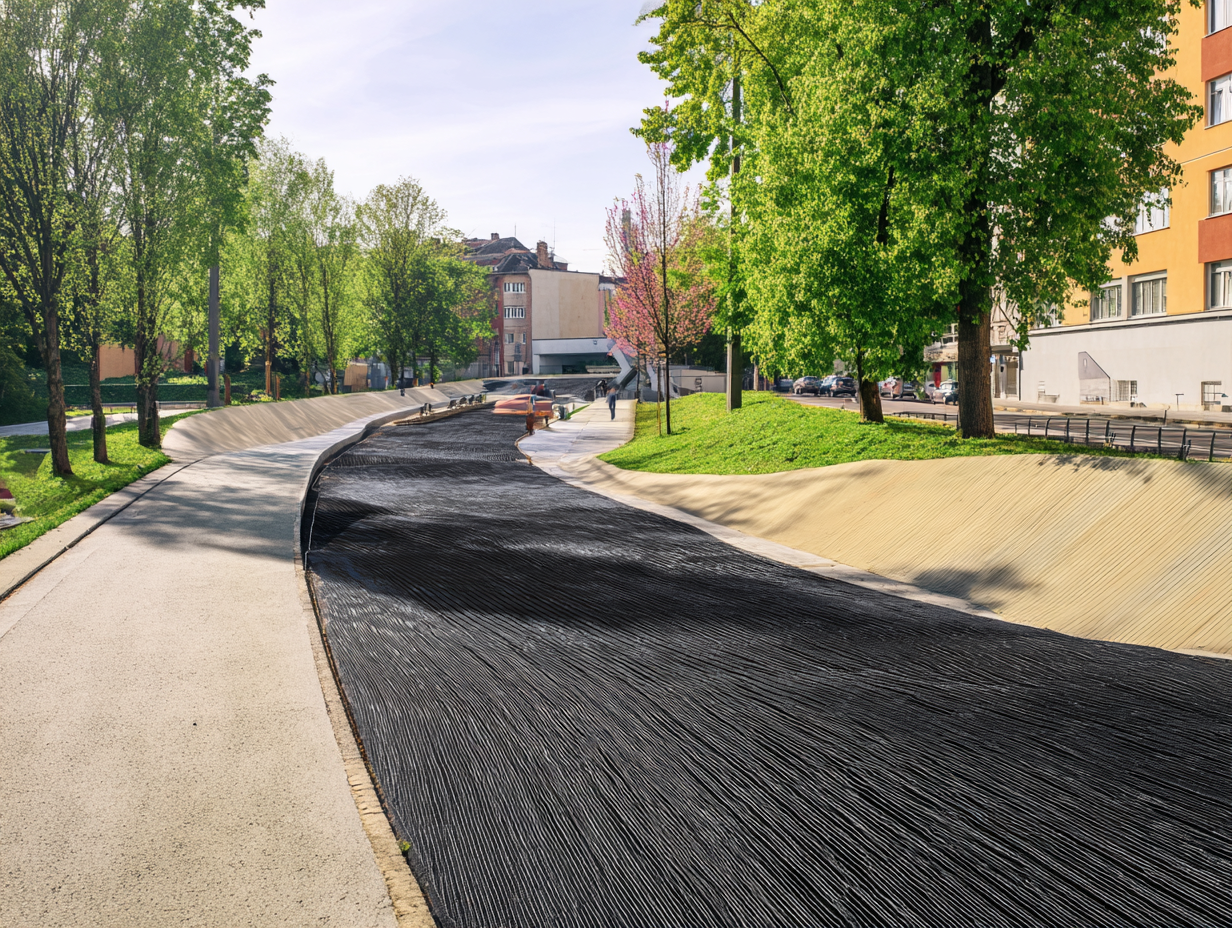
The APSE Project developed eco-friendly asphalt pavements to reduce environmental impact in road construction. It focused on replacing traditional bitumen
APSE Project: Eco-friendly asphalt for a sustainable environment Read Post »
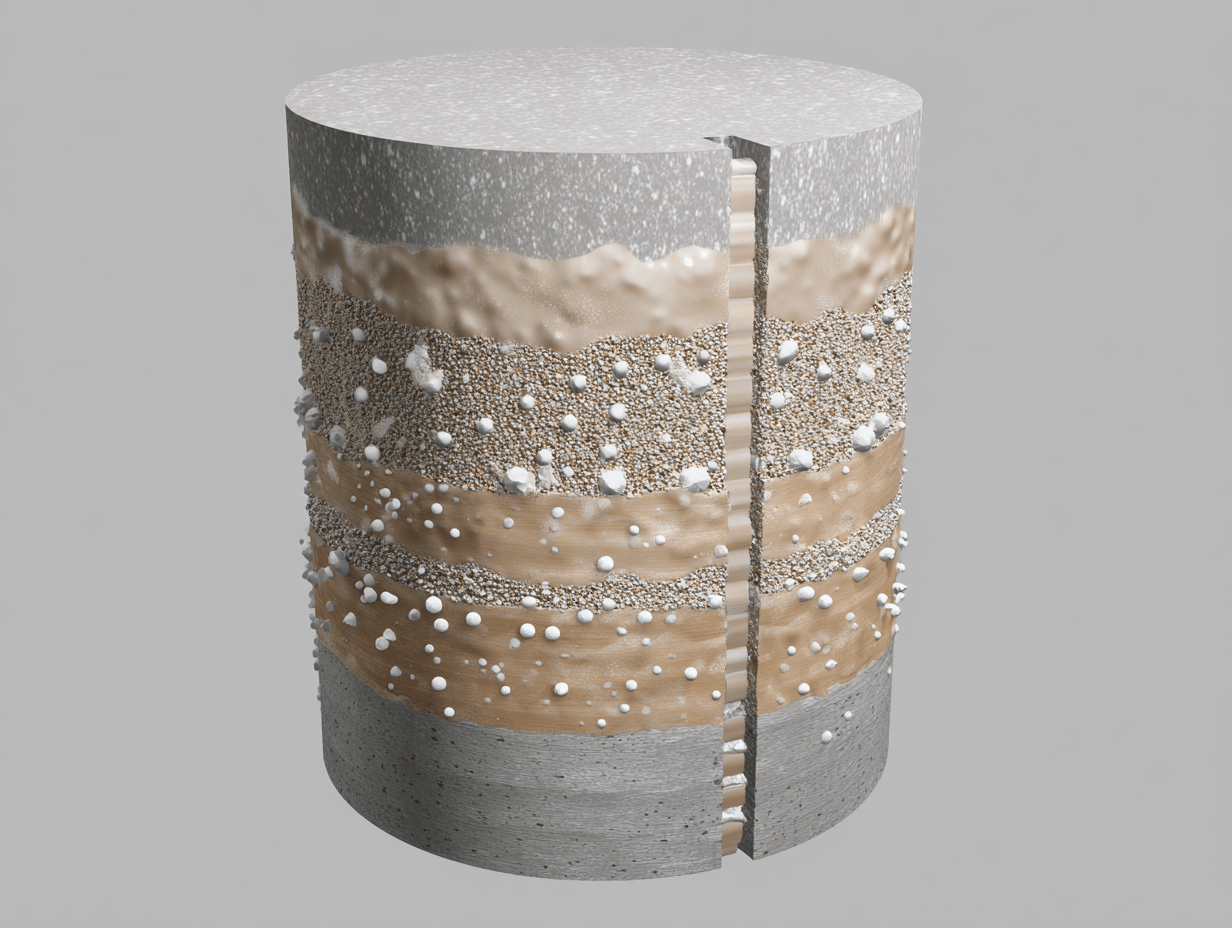
The ECO-CEMENT project developed a sustainable cement alternative using bacteria to precipitate calcium carbonate through urea hydrolysis, reducing carbon emissions
ECO-CEMENT Project: Bacteria-produced cement Read Post »

The ISOBIO project developed highly insulating construction materials using bio-derived aggregates combined with innovative binders. Project Overview ISOBIO was an
ISOBIO Project: High insulation from bio-derived aggregates Read Post »

The CU-PV Project focused on creating sustainable photovoltaic (PV) modules through a cradle-to-cradle approach, emphasizing full recyclability and minimal environmental
CU-PV Project: Sustainable Photovoltaic Modules (Cradle-to-Cradle) Read Post »

The INNOBITE project transformed agricultural and urban waste, like wheat straw and recycled paper, into high-performance biocomposites for sustainable construction.
INNOBITE Project: Transforming agricultural waste into construction materials Read Post »

The I-PAN project developed innovative lightweight structural panels using poplar wood and recycled materials. Project Overview I-PAN, or Innovative Poplar
I-PAN Project: Innovative lightweight poplar structural panels Read Post »

Oasia Hotel Downtown is a pioneering “living tower” in Singapore’s Central Business District, designed by WOHA architects and completed in
Oasia Hotel Downtown: Vertical ecosystem in the city center Read Post »

The OSIRYS project developed innovative forest-based biocomposites for building facades and interior partitions. It focused on enhancing indoor air quality
OSIRYS Project: Forest-based biocomposites for facades and partitions Read Post »

Khoo Teck Puat Hospital (KTPH) in Singapore embodies the innovative “hospital in a garden, garden in a hospital” concept, integrating

The Kalundborg Industrial Symbiosis is one of the best-known examples of urban circularity, showing how collaboration between public and private
Kalundborg Industrial Symbiosis – Urban-Scale Circularity Read Post »

BituBlocks: Developed by John P. Forth at the University of Leeds, England, this material is designed as a sustainable alternative to
BituBlocks & Blue Planet: Carbon-Negative Concrete Read Post »
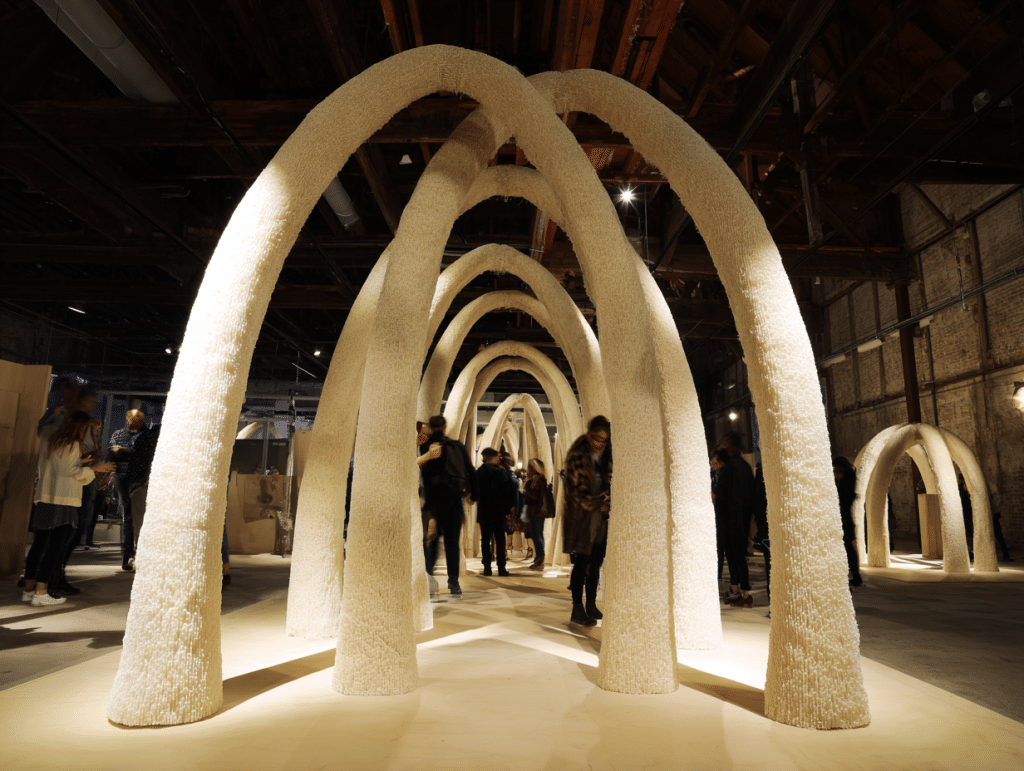
The Vision of Paul Stamets: According to world-renowned expert Paul Stamets (Fungi Perfecti), mushroom cultivation is a “significant tool for restoring,
Fungi and Mycelium Walls Read Post »

Architectural Autonomy: Developed by Michael Reynolds, Earthships (or “land ships”) are buildings designed to be completely off-grid. They integrate passive systems
Earthships: The “Archiculture” Model Read Post »
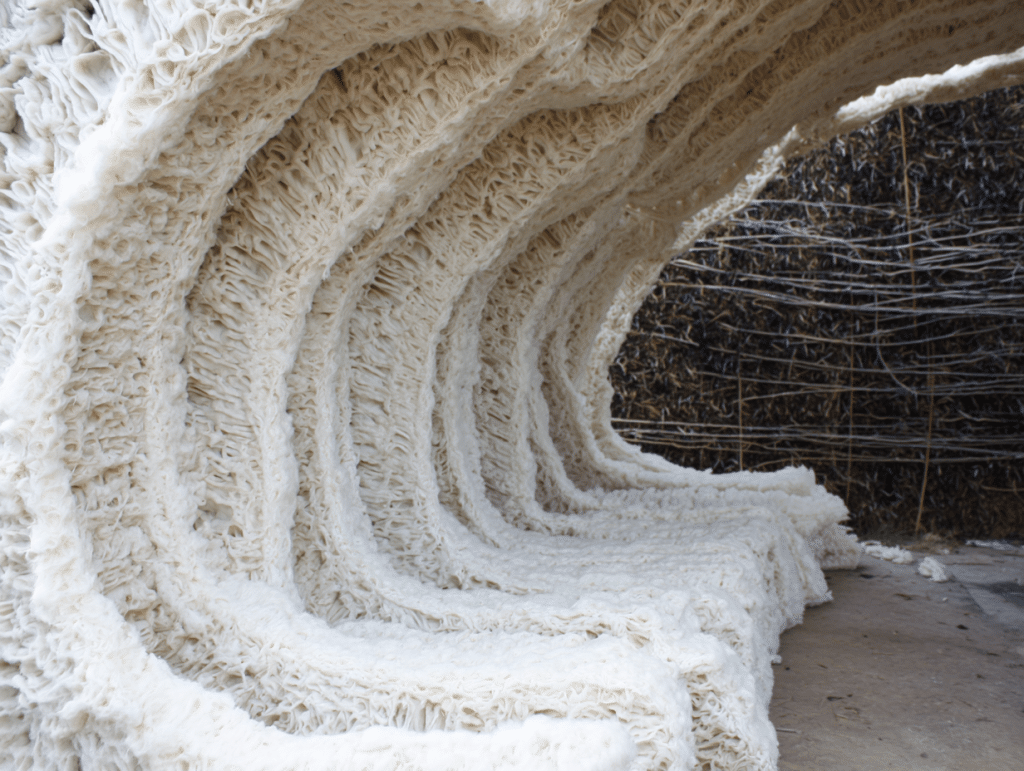
The Paradigm Shift: EcoCradle represents a move away from traditional manufacturing toward growing materials. This technology uses agricultural by-products to create compostable and
EcoCradle (Ecovative): Grown Insulation Read Post »
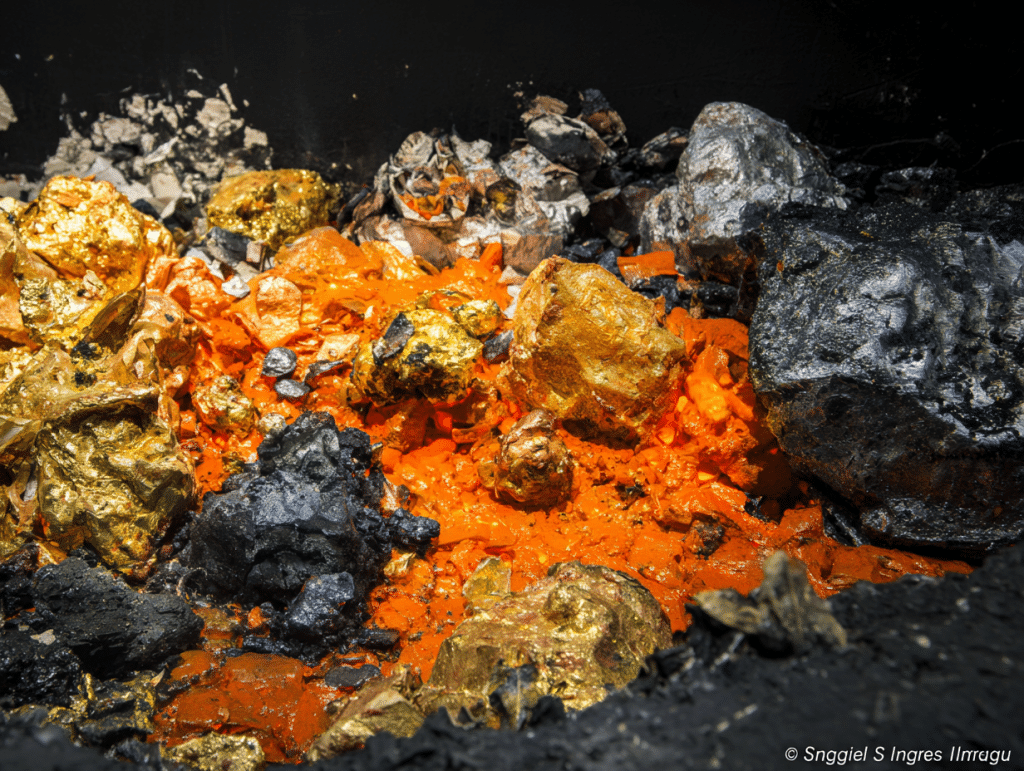
Concept and Origin: Created through a chemical process called plasma gasification, PlasmaRock represents the transformation of solid waste into gas at extreme
PlasmaRock: The “Waste of Wastes” Read Post »

The NAIAD project (NAture Insurance value: Assessment and Demonstration) focused on operationalizing the assurance value of ecosystems—their ability to help
NAture Insurance value: Assessment and Demonstration Read Post »

The EU4IPBES project supports the Intergovernmental Science-Policy Platform on Biodiversity and Ecosystem Services (IPBES) in implementing its rolling work programme

🌍 OPERANDUM Project Summary: Nature-Based Solutions for Hydro-Meteo Risks The OPERANDUM project (OPEn-air laboRAtories for Nature baseD solUtions to Manage
OPEn-air laboRAtories for Nature baseD solUtions to Manage hydro-meteo risks Read Post »

The INDIA-H2O project successfully developed and demonstrated low-cost, energy-efficient water treatment systems for saline groundwater and wastewater in the state
🌿 GREEN SURGE Project Summary: Green Infrastructure and Urban Biodiversity The GREEN SURGE project aimed to identify, develop, and test

🌳 OPENNESS Project Summary: Operationalising Natural Capital and Ecosystem Services The OpenNESS project’s overall objective was to translate the concepts

🏙️ Urban MAESTRO Project Summary: Urban Design Governance Urban MAESTRO was a Coordination and Support Action that aimed to identify,

🌊 SUST-BLACK Project Summary: Sustainable Development at the Black Sea The SUST-BLACK project (Sustainable development at the Black Sea) was
Sustainable development at the Black Sea Read Post »

🌊 EPOCA Project Summary: The European Project on Ocean Acidification The European Project on Ocean Acidification (EPOCA) was the first
European Project on Ocean Acidification Read Post »

⛰️ PHUSICOS Project Summary: Nature-Based Solutions for Mountain Risk Reduction The PHUSICOS project (‘According to nature’) aimed to demonstrate the
PHUSICOS: ‘According to nature’ – solutions to reduce risk in mountain landscapes Read Post »

🌿 proGIreg Project Summary: Nature-Based Urban Regeneration The proGIreg project (productive Green Infrastructure for post-industrial urban regeneration) focused on using
productive Green Infrastructure for post-industrial urban regeneration Read Post »
🌿 REGREEN Project Summary: Fostering Nature-Based Solutions The REGREEN project aimed to foster Nature-Based Solutions (NbS) for smart, green, and
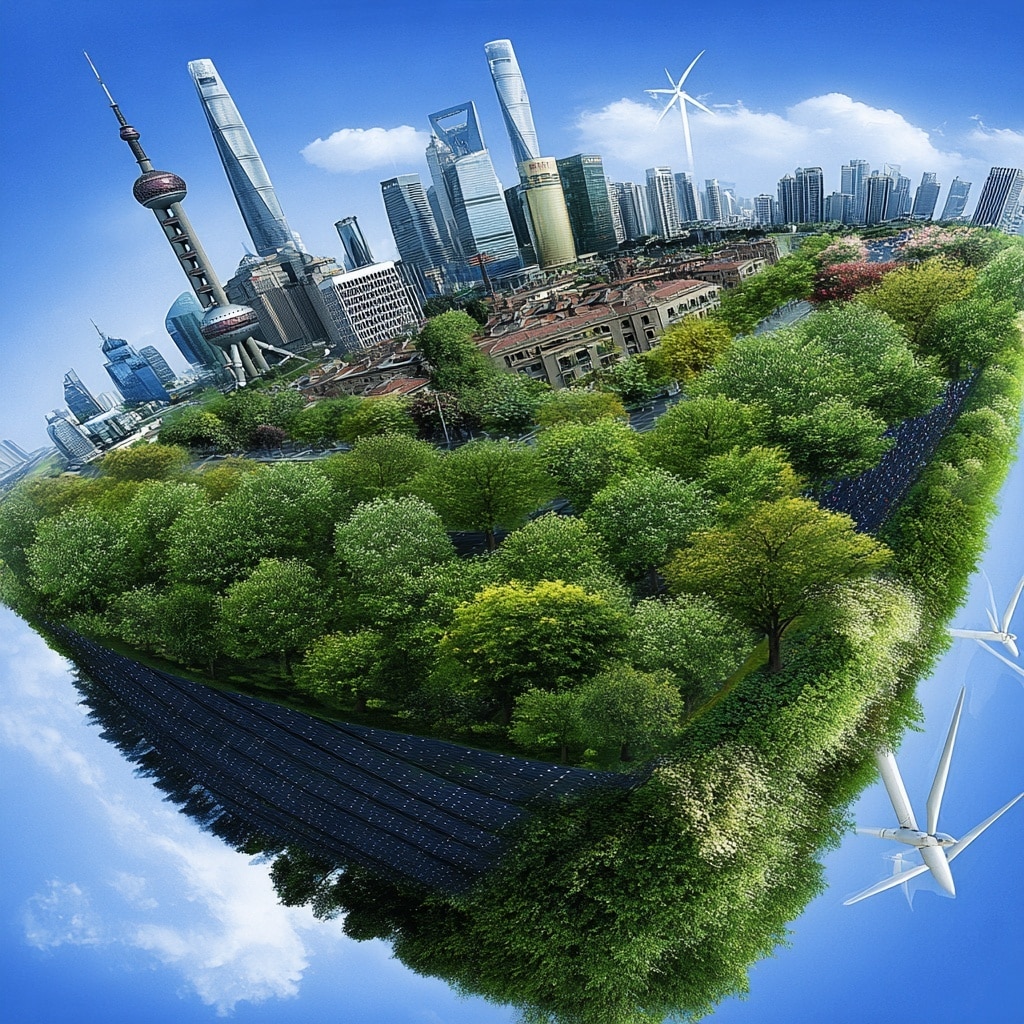
The overarching goal of the URBiNAT D3.1 deliverable is to establish a strategic design and framework for participatory solutions to

BiodivScen Project Summary: Scenarios for Biodiversity and Ecosystem Services The BiodivScen project was an initiative to address the critical gap
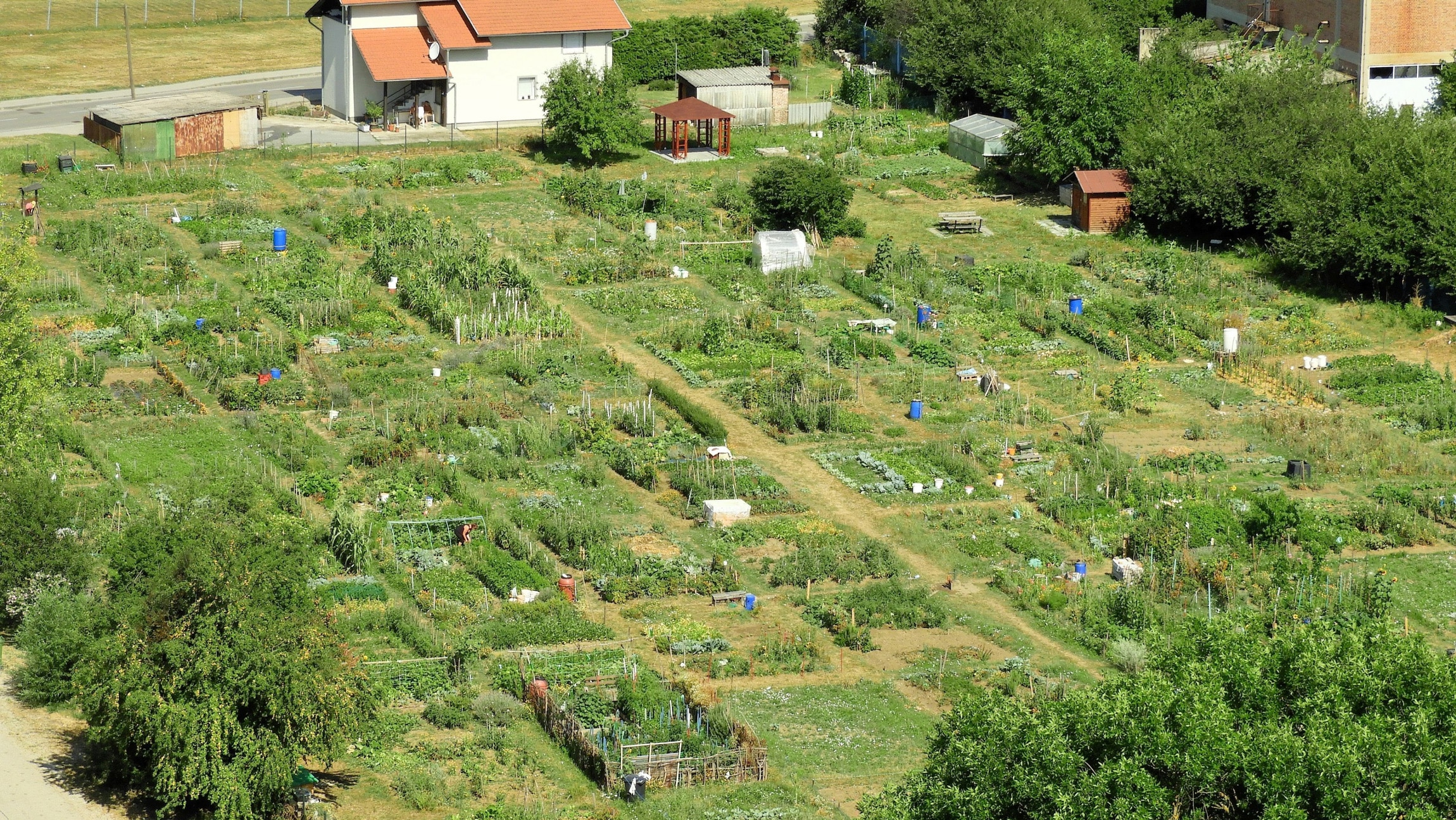
Periodic Reporting for period 3 – proGIreg (productive Green Infrastructure for post-industrial urban regeneration) Reporting period: 2021-06-01 to 2023-11-30 Summary of
productive Green Infrastructure for post-industrial urban regeneration Read Post »
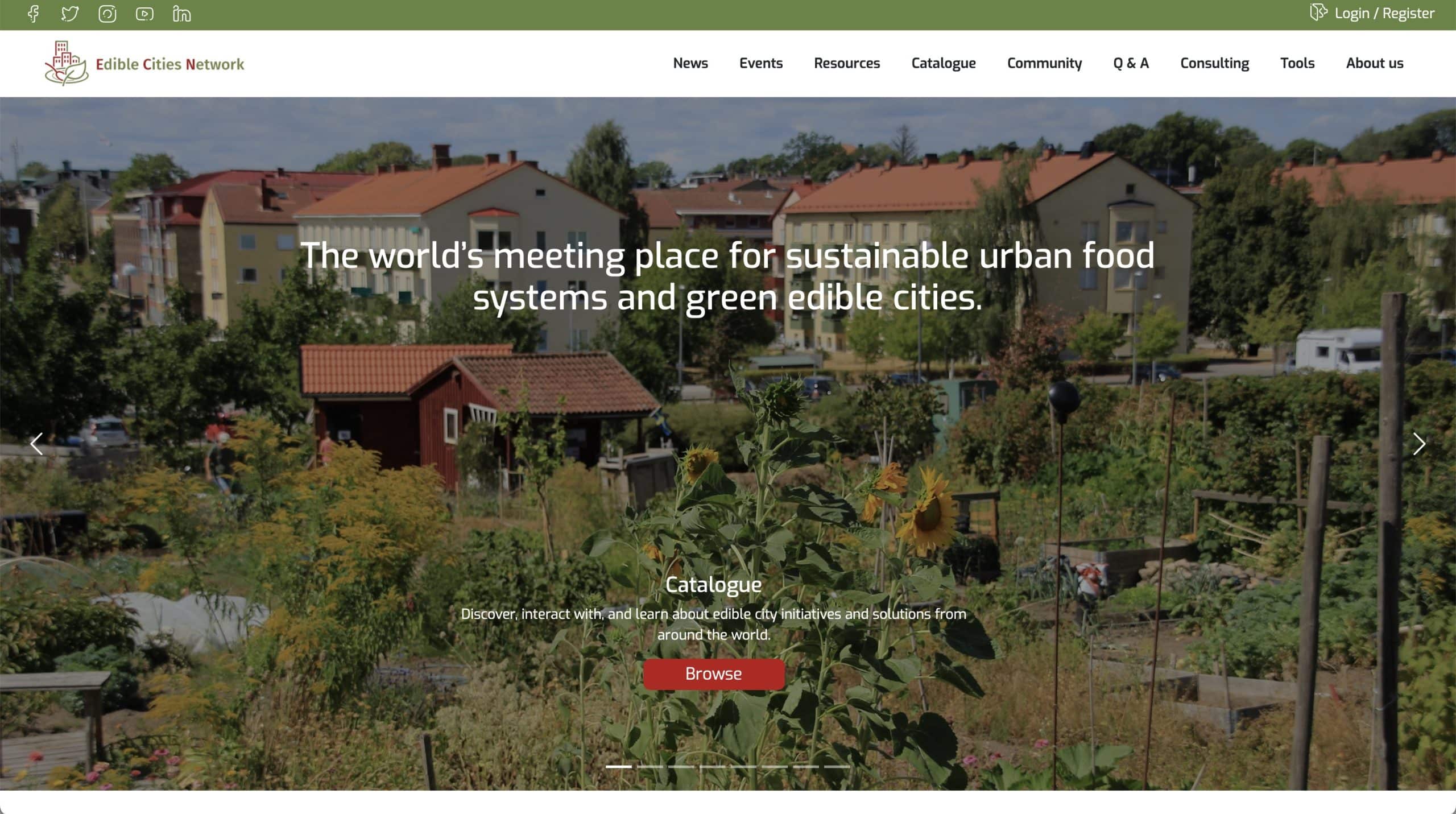
🍎 EdiCitNet Project Summary: Integrating Edible City Solutions The Edible Cities Network (EdiCitNet) project addressed urgent urban societal challenges—such as

🌳 CLEVER Cities Project Summary: Co-designing Nature-Based Solutions for Social Inclusion The CLEVER Cities project utilizes Nature-Based Solutions (NBS) to

🌳 GROW GREEN Project Summary: Nature-Based Solutions for Urban Resilience The GROW GREEN project aimed to develop and implement Nature-Based

🌿 URBAN GreenUP Project Summary: Re-naturing Cities for Resilience The URBAN GreenUP project aimed to address severe urban environmental issues
New Strategy for Re-Naturing Cities through Nature-Based Solutions Read Post »

💧 UNALAB Project Summary: Co-creating Climate and Water Resilience with Nature The UNALAB project (Urban Nature Labs) had the overarching

The CONNECTING Nature project (COproductioN with NaturE for City Transitioning, INnovation and Governance) aimed to bring Nature-Based Solutions (NBS) into
COproductioN with NaturE for City Transitioning, INnovation and Governance Read Post »