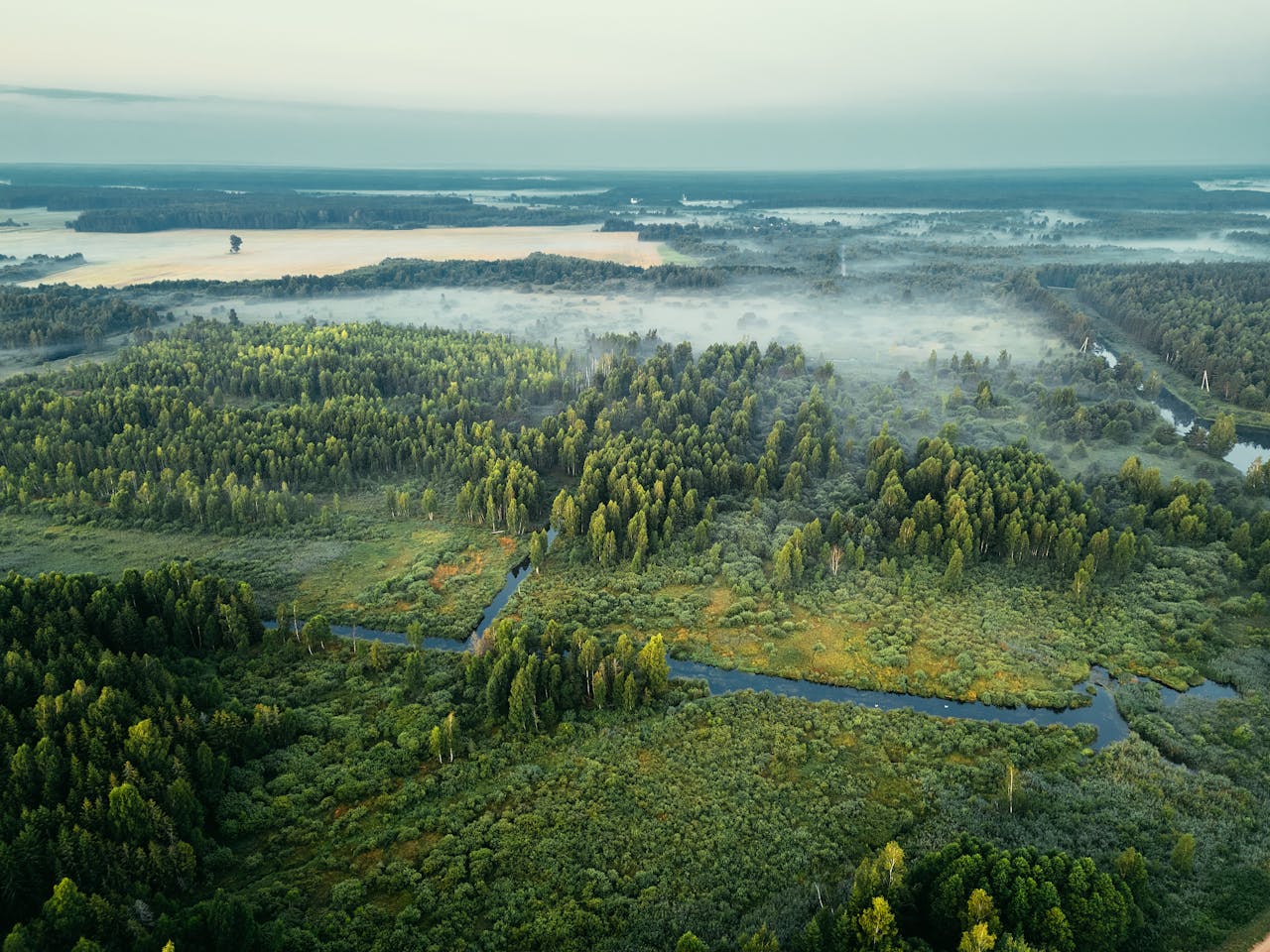
The International James Hutton Institute describes: “PES schemes attract increasing interest as mechanisms for improving conservation and achieving sustainable development results. PES initiatives aim to reach mutually beneficial agreements between providers and users of ecosystem services, involving a reward mechanism for ecosystem managers for maintaining or improving these services provided and evaluated by beneficiaries.”
In the last decade, including the present, many studies and projects have been carried out with different types of financing, with the goal of promoting more inclusive and sustainable use of natural capital. The consideration of local specifics and the involved population, service types and flows, is promoted: “The precise composition of conservation and development objectives must take into account the concerns generated locally and not result from a one-size-fits-all approach. There is potential for substantial expansion of PES at the international level, but these opportunities should be analyzed alongside other natural resource management tools and poverty reduction. Such programs should be subjected to tests with/without policy analyses in a way that concretizes the causal links between intervention options, ES flows, and proxy measures for ES in the field and the results of the programs. PES programs should not necessarily be considered superior to other intervention options or a panacea to be implemented blindly.”
Although the goal of this system is ultimately environmental conservation, it has major social implications. PES schemes, while not oriented towards poor populations, can be a factor of well-being for them, as surplus income, in addition to the fact that in many cases, a person who is today paid to guard a forest, yesterday would have maintained it by stealing wood from the forest. The Pro-poor PES system maximizes the positive impact on the beneficiary population and keeps the negative impact at minimum levels.
According to the International Institute for Environment and Development (IIED), “payments for environmental services (also called ecosystem services payments or PES) represent payments to farmers or landowners who have agreed to undertake certain actions to manage their lands or river basins to provide an ecological service. Since payments provide incentives to owners and managers of land (agricultural, forestry, etc.) or indirectly to those who work the land or who produce crops (agricultural, usually). However, there is potential for scaling up the categories to which PES is addressed. Within a balanced balance between investment and benefits, the built environment could “borrow” from the natural capital offer, either as supporting base (rooftop gardens or parks, green facades, etc.), or through technology (biomimetics, which imitate processes in nature and offer similar chemo-physical results), and this new attribute of the built infrastructure can be monetized with advantages for all parties, including nature that gave up the physical place where the new construction appeared), through similar schemes.
The UNDP describes the stages of preparing a PES system, including “negotiating agreements, legal structure, financing and implementation”: 1. Identifying ecosystem services and geographic boundaries; 2. Identifying sellers/providers and buyers/beneficiaries; 3. Defining the market and the price; 4. Determining governance, institutional, and legal arrangements; 5. Collecting basic data on biophysical data for the monitoring system.